If you’re exploring injectable skin treatments, you’ll quickly notice two names appearing everywhere: Profhilo and dermal fillers. Both are powerful, both are popular, and both can transform skin quality — but they work in very different ways. So the real question isn’t “Which is better?” but rather what is the difference between Profhilo and fillers, and which one aligns with your goals.
At Levitas, we offer Injectable skin treatments in Surrey (Guildford and Esher) and London (Mayfair and HVN Knightsbridge), with many patients visiting from Chelsea, Kensington, Marylebone, and Belgravia. This guide will help you choose with confidence.
First, what is Profhilo?
Profhilo is a unique injectable made of stabilised hyaluronic acid (HA) designed primarily for hydration and skin remodelling, not volume. Think of it as a “skin quality booster” rather than a sculpting tool.
Key benefits include:
- Profhilo for hydration: deep, long-lasting moisture from within
- Skin tightening treatments: improved elasticity and firmness
- Profhilo for anti-ageing: smoother texture, refined pores, better glow
- Profhilo for sagging skin: subtle lift by strengthening the dermal scaffold
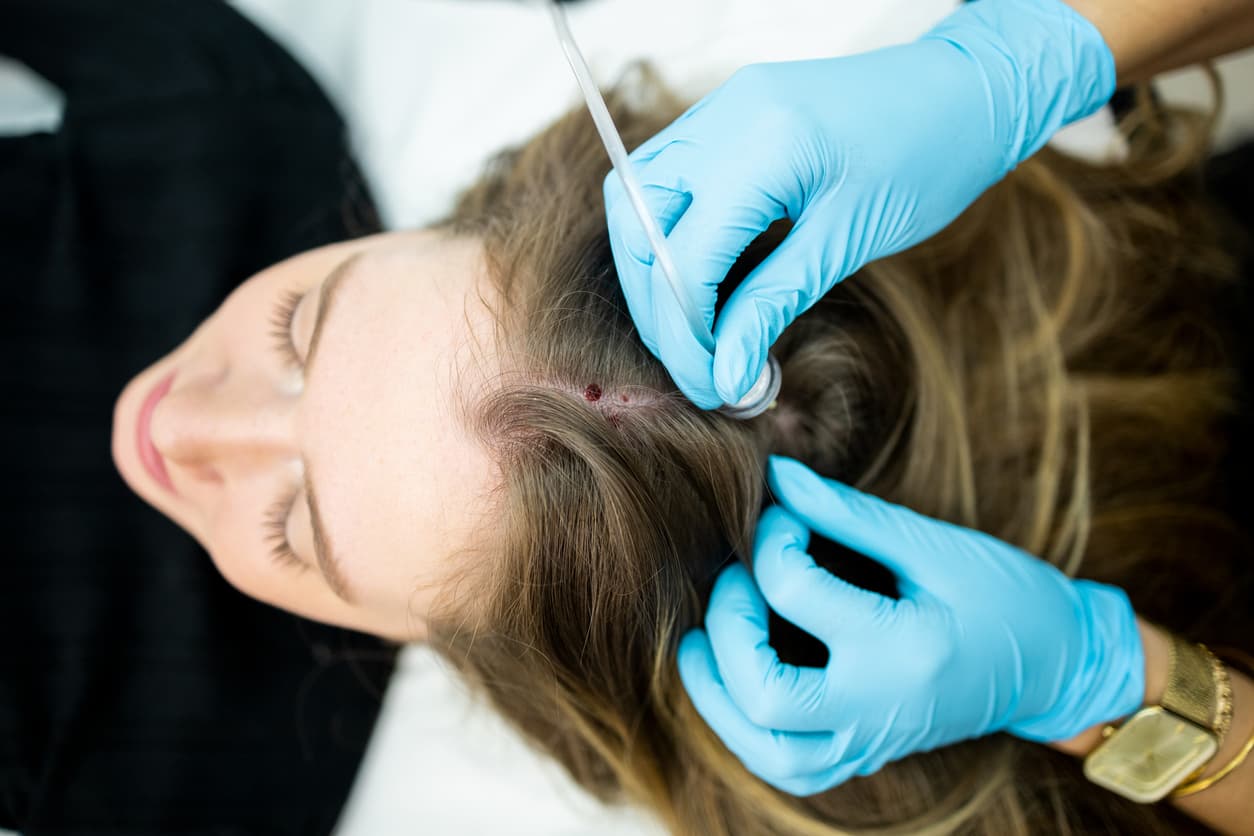
Profhilo spreads broadly in the skin after injection. Instead of “filling” lines, it stimulates collagen and elastin, supporting gradual tightening and rejuvenation.
What are dermal fillers?
Dermal fillers are also hyaluronic-acid based, but their purpose is different: they are used to replace or restore volume, reshape contours, and soften folds.
Common uses include:
- Fillers for volume loss in cheeks, temples, jawline
- defining the chin or lower face
- lip enhancement or lip structure
- smoothing deeper static lines (like nasolabial folds)
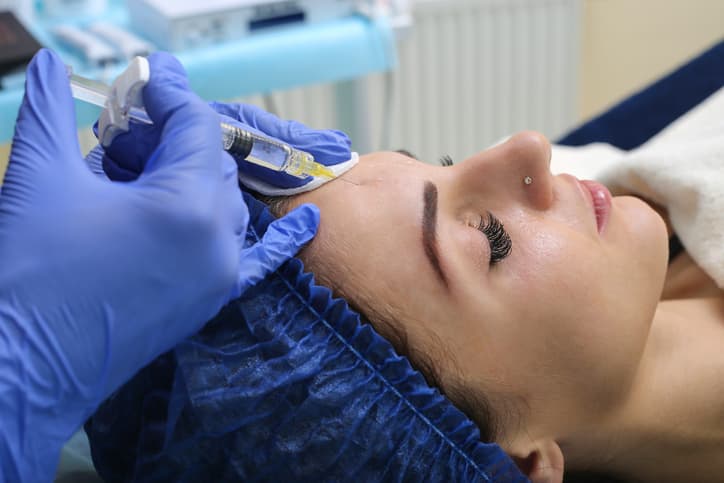
Fillers stay where they’re placed, giving immediate structural change. They are ideal when ageing has led to visible hollowness or contour collapse.
What is the difference between Profhilo and fillers?
Here’s the simplest way to understand it:
- Profhilo = quality + hydration + tightening
- Fillers = structure + volume + shape
Profhilo focuses on:
- skin texture and glow
- hydration and crepey skin
- elasticity improvement
- anti-ageing through regeneration
Fillers focus on:
- restoring youthful contours
- lifting where volume has been lost
- reshaping specific areas
- anti-ageing through structural support
So when people ask “What is the difference between Profhilo and fillers?” — it’s the difference between improving the canvas vs rebuilding the frame.
Is Profhilo better than fillers?
This is one of the most searched questions: “Is Profhilo better than fillers?”
Honest answer: not better — different.
Profhilo is “better” if you want:
- overall skin freshness
- a hydrated, plump glow
- subtle tightening without changing facial shape
- early anti-ageing prevention
- improvement in fine lines and laxity
Fillers are “better” if you want:
- visible lift and contour restoration
- correction of hollows and folds
- facial balancing or reshaping
- targeted volume where ageing has “deflated” structure
Many patients actually do best with a tailored combination: Profhilo to rejuvenate skin quality, and light strategic fillers to restore architecture.
Which one is right for your goals?
Let’s match treatments to real-life goals.
1) “My skin feels thin, dry, and dull”
You’re describing skin dehydration and collagen drift.
Best choice: Profhilo for hydration and regeneration.
2) “I’m getting sagging around the jaw and lower face”
This is classic loss of elasticity + mild volume shift.
Best choice: Profhilo for sagging skin (sometimes paired with subtle jawline support filler).
3) “My cheeks look hollow and I’ve lost shape”
hat’s deeper structural ageing.
Best choice: Fillers for volume loss.
4) “I want tightening but I don’t want to look ‘done’”
You want improvement without reshaping.
Best choice: Profhilo for anti-ageing and tightening.
5) “I want my face to look fresher AND more supported”
You want a global refresh.
Best choice: Profhilo + carefully placed filler in a staged plan.
What results can you expect?
Profhilo results
- gradual improvement over 4–8 weeks
- skin becomes more hydrated, elastic, luminous
- fine lines soften, texture smooths
- looks very natural and subtle
Usually done as two treatments 4 weeks apart, then maintenance every 4–6 months.
Filler results
- immediate volume correction
- contour lift and shape restoration
- results last 6–18 months depending on area
- can be subtle or more sculpted depending on plan
A good filler approach should look like you but restored — never overfilled.
How Levitas approaches injectable anti-ageing
At Levitas, treatment choice is always goal-led and anatomy-led. We assess:
- hydration status and skin thickness
- elasticity and sag pattern
- structural volume loss
- facial balance, not just isolated lines
This creates a plan that may use Profhilo, fillers, or both — always prioritising natural outcomes.
If you’re looking up best anti-ageing injectables or hydration injectables, the “best” ones are the ones matched precisely to your tissue needs.
Profhilo and Fillers in Surrey & London
We provide bespoke profhilo skin treatments UK at:
Surrey:
- Guildford clinic
- Esher clinic
London:
- Mayfair clinic
- HVN Knightsbridge clinic
Patients also travel to us from Chelsea, Kensington, Marylebone, and Belgravia, making high-quality care accessible across Surrey and Central London.
The takeaway
If you want hydration, tightening, glow, and subtle anti-ageing, Profhilo is your ally.
If you want lift, contour, and correction of volume loss, fillers are the answer.
And if you want both? A staged combination often delivers the most natural, long-term rejuvenation.
Profhilo vs Fillers FAQs (Surrey & London)
1) What is the difference between Profhilo and fillers?
Profhilo is a hydration and skin-remodelling injectable that spreads through the skin to improve texture, elasticity, and glow. Fillers are structure-building injectables placed precisely to restore shape and treat volume loss. In short: Profhilo improves skin quality, fillers restore facial architecture.
2) Is Profhilo better than fillers?
Neither is universally “better.” Profhilo is better for hydration, crepey skin, and early laxity, while fillers are better for volume loss, contouring, and deeper folds. The best anti-ageing injectables are the ones matched to your goals and anatomy.
3) Does Profhilo add volume like fillers?
No. Profhilo does not create lift through volume. It hydrates deeply and stimulates collagen and elastin, leading to subtle tightening and plumping over time — without changing facial shape.
4) Are fillers only for lips and cheeks?
Not at all. While lips and cheeks are common, fillers are also used for:
- jawline definition
- chin projection
- temples
- under-eye hollows (in suitable candidates)
- smoothing structural folds
They’re ideal for fillers for volume loss anywhere ageing has “deflated” support.
5) Is Profhilo good for anti-ageing?
Yes — Profhilo is excellent for Profhilo for anti-ageing because it improves skin elasticity, hydration, and firmness. It helps soften fine lines and gives a gradual, natural “skin reset.”
6) Which is better for sagging skin: Profhilo or fillers?
For mild-to-moderate laxity, Profhilo for sagging skin works beautifully by strengthening the dermal scaffold and improving elasticity. If sagging is driven by deeper structural collapse, fillers may be added strategically to restore lift.
7) Which treatment is best for hydration?
Profhilo is one of the best hydration injectables available. If your main concern is dryness, dullness, or crepey texture, Profhilo for hydration is usually the first-line choice.
8) How long do Profhilo results last vs fillers?
- Profhilo: typically two sessions, 4 weeks apart. Results build over 4–8 weeks and last about 4–6 months, with maintenance thereafter.
- Fillers: results are immediate and usually last 6–18 months, depending on area and product type.
9) Can Profhilo and fillers be combined?
Yes — and often with the best outcomes. Profhilo improves the canvas (skin), and fillers rebuild the framework (volume/shape). A staged plan can deliver the most natural, long-term rejuvenation.
10) Where can I get Profhilo and fillers in Surrey and London?
Levitas provides injectable skin treatments UK at:
- Surrey: Guildford & Esher
- London: Mayfair & HVN Knightsbridge
We also regularly welcome patients from Chelsea, Kensington, Marylebone, and Belgravia.