Are you feeling bloated, puffy, or just a bit sluggish? Looking for a natural way to support your body’s detox process, reduce swelling, and bring back your glow? A lymphatic drainage massage might be the perfect solution.
This gentle yet incredibly effective therapy is becoming a favourite across London’s wellness and aesthetic scene—and for good reason. It’s not just about relaxation; it’s about revitalising your entire system, inside and out.
What Is Lymphatic Drainage Massage?
Lymphatic drainage massage is a therapeutic technique that helps move lymph fluid through your body more efficiently. The lymphatic system is part of your immune and detox network. It collects waste, toxins, and excess fluid, transporting them through lymph nodes so they can be filtered and eliminated.
Unlike your blood, which is pumped by the heart, your lymph system relies on movement and muscle activity to function properly. If the flow becomes sluggish—due to illness, lack of activity, surgery, or inflammation—fluid can build up, causing swelling, fatigue, and dull skin.
This is where lymphatic drainage massage helps. By using gentle, rhythmic strokes, trained therapists encourage the lymph to move freely, helping your body feel lighter, look brighter, and function better.
Manual Lymphatic Drainage Massage – How It Works
Manual lymphatic drainage (MLD)
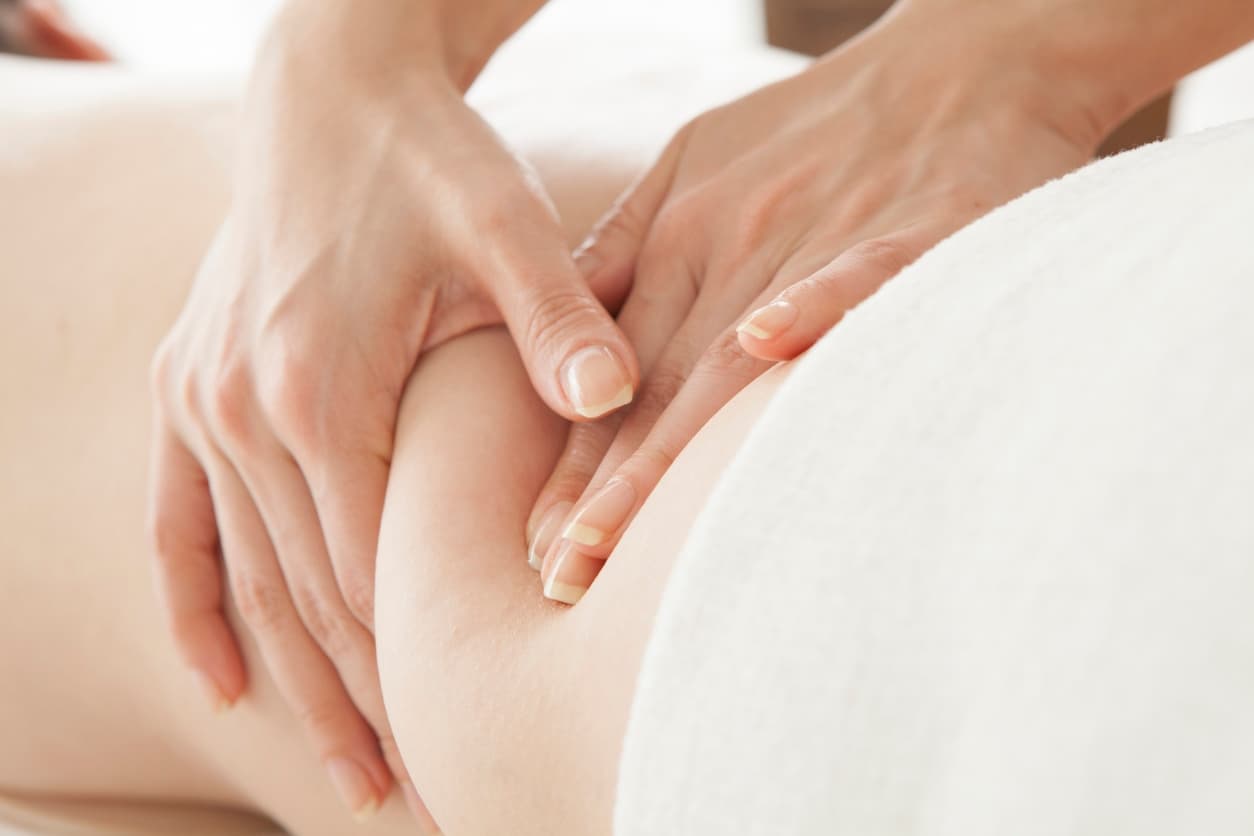
is a very light and specific form of massage. It’s not about kneading or deep pressure. Instead, the therapist uses soft, sweeping motions in a precise direction, following the natural flow of the lymphatic system.
Key areas targeted during a session include:
- PNeck – a major drainage hub
- PUnderarms – home to key lymph nodes
- PAbdomen – central for detox and digestion
- PGroin – an important filtering area
- PBack of knees – a lesser-known, powerful drainage point
This technique is particularly effective after:
- PSurgical procedures (to reduce swelling)
- PTravel (to reduce fluid retention)
- PIllness or inflammation
- POr simply when you feel bloated, tired, or stressed
Lymphatic Drainage Massage Benefits
This massage does much more than just relax you. Clients often report a noticeable difference after just one session, with many describing it as a full-body reset.
Here are the top benefits:
- PReduces water retention and puffiness
- PImproves immune function by clearing toxins
- PEnhances skin clarity and natural glow
- PSpeeds up recovery after surgery or illness
- PEncourages better sleep and reduced stress
- PSupports digestion and metabolic balance
Whether you’re looking for aesthetic improvement or internal balance, lymphatic drainage is a gentle yet transformative choice.
Lymphatic Drainage Massage for the Face
The face has its own mini-network of lymph vessels, and when these get congested, it can lead to:
- PPuffy cheeks or under-eyes
- PDull, lacklustre complexion
- PAcne or inflammation
- PTired or aged appearance
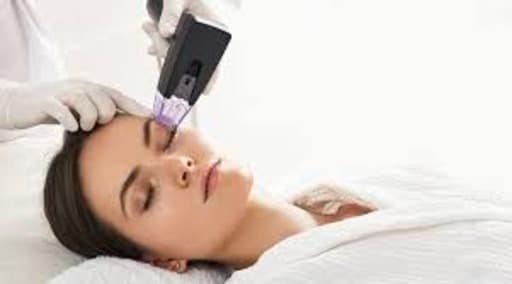
Facial lymphatic drainage massage uses tiny, feather-light movements to stimulate lymph flow across the jawline, cheeks, and forehead. It’s often described as “instant contouring” because of how quickly it reduces puffiness and lifts the skin.
Many clients notice that their face looks brighter, more sculpted, and fresher immediately after treatment—making it a great pre-event or post-travel therapy.
Lymphatic Drainage Massage in London – Why Choose Levitas Aesthetics?
At Levitas Aesthetics, we understand that true beauty and wellness come from the inside out. That’s why our lymphatic massage sessions are designed with both internal health and external radiance in mind.
Why our clients love us:
- POur therapists are fully trained in advanced lymphatic massage techniques
- PWe offer tailored sessions based on your individual needs—whether post-surgery recovery, aesthetic enhancement, or general wellness
- POur clinic provides a calm, luxurious environment for total relaxation
- PWe integrate facial and body lymphatic drainage in one seamless experience
Clients often leave our clinic feeling lighter, brighter, and more energised, both physically and emotionally.
How Often Should You Have a Lymphatic Massage?
The frequency depends on your goals and lifestyle. Here’s a simple guide:
- PFor general wellness: once every 3–4 weeks
- PPost-surgery or post-travel: weekly sessions during recovery
- PFor skin glow and puffiness: every 2–3 weeks
- PDuring detox programmes: 1–2 times per week for best results
Your therapist at Levitas will guide you on what’s best based on your unique circumstances.
Who Should Consider This Treatment?
Lymphatic drainage is suitable for almost everyone, especially those who:
- PSit at a desk or stand for long periods
- PHave poor circulation or swelling in the limbs
- PExperience facial puffiness, especially under the eyes
- PAre recovering from cosmetic or medical procedures
- PAre undergoing a detox or body reset programme
- PAre seeking natural beauty treatments without harsh methods
Book Your Lymphatic Drainage Massage in London Today
If you’re ready to look and feel your best—from the inside out—consider adding lymphatic drainage massage to your wellness routine.
Whether it’s your first experience or you’re looking for a trusted clinic to support your recovery or skincare journey, Levitas Aesthetics in London is here to help.
Book your appointment today and give your body the gentle boost it deserves.